

Insights

This time of year can be hard on small businesses. With a bit of pre-planning and being proactive, you can set yourself up for a financially stress-free holiday. Talk to us. We can help.
#smallbusiness #cashflowtips

Buy Now, Pay Later can be highly appealing, especially when coupled with persistent cost-of-living pressures, so it’s unsurprising that BNPL has become so popular. While it can be an attractive payment option there are a few downsides to keep in mind.

Peer-to-peer lending is one route to additional funding for your small business. We explain how P2P works and the key benefits of considering this type of alternative finance.
#peertopeer #lending #funding #businesstips

43% of Australian small and medium-sized enterprises (SMEs) have adopted AI. We’ve outlined three key ways you can raise the capital to fund your company’s AI and digital transformation.
#funding #AI #digital #businesstips

The Australian Taxation Office has announced that it will stop accepting credit cards as a payment method after 30 June 2027. Following feedback from the small business community, all taxpayers are being given more time to prepare.

Are you keeping pace with the evolution of technology? We highlight 5 business risks of failing to embrace the available new tech and how doing digital could give your business a boost.
#technology #digital #strategy #businesstips

The Australian Taxation Office (ATO) has released its Tax Time toolkit for small business for the 2026 filing season, which covers the period 1 July 2025 to 30 June 2026.
What’s inside the toolkit?

Why do you need an accountant when AI can do the basic accounting? We’ve outlined 5 vital ways that working with a human tax adviser adds value for your tax strategy.
#tax #accounting #businesstips

The $20k instant asset write-off is now permanently available to businesses with turnover below $10 million. But what are the key benefits of this write-off for your business?
#tax #instantassetwriteoff #businesstips

A good pricing strategy is the foundation of any successful business. Not only can effective pricing build your customer base, but it can also build brand awareness while increasing your revenue.

Should you buy or lease your new equipment? Here are some pros and cons of each. We also can review your financial position, cashflow and cost base to decide whether buying or leasing is the right thing for your business.
#businessadvice #SmallBusiness

When you’re in control of your profit and loss (P&L), you have a tighter hold on the reins of your profitability. Read our Plain English guide to P&L and learn how to boost your profits.
#tax #accounting #businesstips

NSW workers compensation premium rates have been frozen for 2026–27 and 2027–28. What does this mean for your employment costs and cashflow?
#workerscompensation #employment #costs #businesstips

6.5 million tonnes of business waste is sent directly to landfill each year.
Here are four small steps you can take to reduce your waste levels and usage of single-use plastics.
#sustainability #ESG #businesstips

Working for yourself or running your own business? Setup robust systems for expenses & tax requirements so you can focus on your important tasks. We can help take the headaches out of your business accounting.
#freelancelife #taxtalk #smallbusinesstips

Do you know how to track the financial health of your business? We highlight 5 key metrics you should be tracking and managing to keep your finances on course.
#accounting #finance #metrics #businesstips

Tax Time 2026 is in full swing, and with that comes a decision for anyone who uses their car for work purposes: is it better to claim a deduction using the logbook or cents per kilometre method?
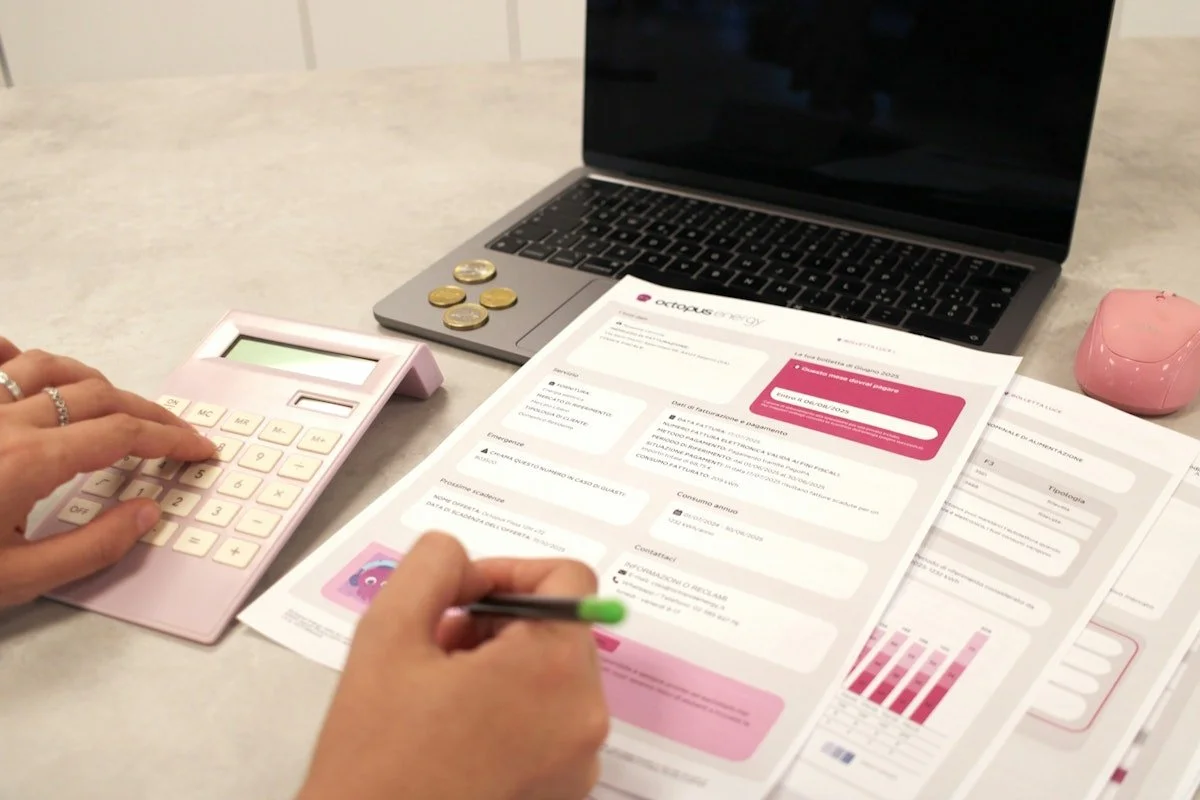
A solid budget is the foundation for your company’s financial management and success. Here are 4 detailed strategies to stay in control of your business budgeting.
#businessadvice #SmallBusiness #budgeting

At the Federal Budget in May 2026, the Government announced that it would reintroduce a loss carry back tax offset for companies, providing a crucial buffer to any business facing difficult trading conditions.

Positive cashflow is the beating heart of your business. Dive into our Plain English guide to cashflow and find out how to get in complete control of your cash position. #tax #accounting #businesstips #cashflow

Rising costs, digital complexity and the burden of compliance are slowing down your business. But don’t worry, we’re here to help you reduce the workload and enhance your efficiency. #costs #compliance #businesstips

If you have a discretionary trust, it’s worth booking time in now to discuss how the minimum tax may affect you, and whether exiting a discretionary trust structure may be the right course of action for you or your business.

Are you spending so much time working IN the business that you have no time to work ON the business? We suggest 7 simple ways to free up that time for strategic thinking. #strategy #mentoring #businesstips

Bank reconciliations ensure the accuracy of your organisation’s statements and helps maintain financial integrity. Get into the habit of doing it often. Putting it off can mean bad things for your business records! #smallbusiness #banking

Business insurance is a vital part of protecting your enterprise. We outline five of the most common types of insurance and how they safeguard the future of your business. #insurance #protection #businesstips

From 1 July 2026, the minimum wage for Australian workers will increase. We explain the numbers behind the increase and the potential impact for your small business. #minimumwage #cashflow #businesstips

From 1 July 2026, thousands more businesses—including accounting and professional services firms—are now regulated under Australia’s anti-money laundering and counter-terrorism financing (AML/CTF) laws.

From 1 July 2026, a new tax (Division 296) will be introduced to reduce concessional tax rates on superannuation earnings above $3 million. But how does Division 296 work, and are you affected?

In just a few weeks, Payday Super will finally go live. From 1 July 2026, quarterly super contributions for employees will end. Instead, employees’ super will need to be paid at the same time as their salary and wages.

As the end of the financial year approaches, there is still time to review your position and consider whether any actions should be taken before 30 June.